
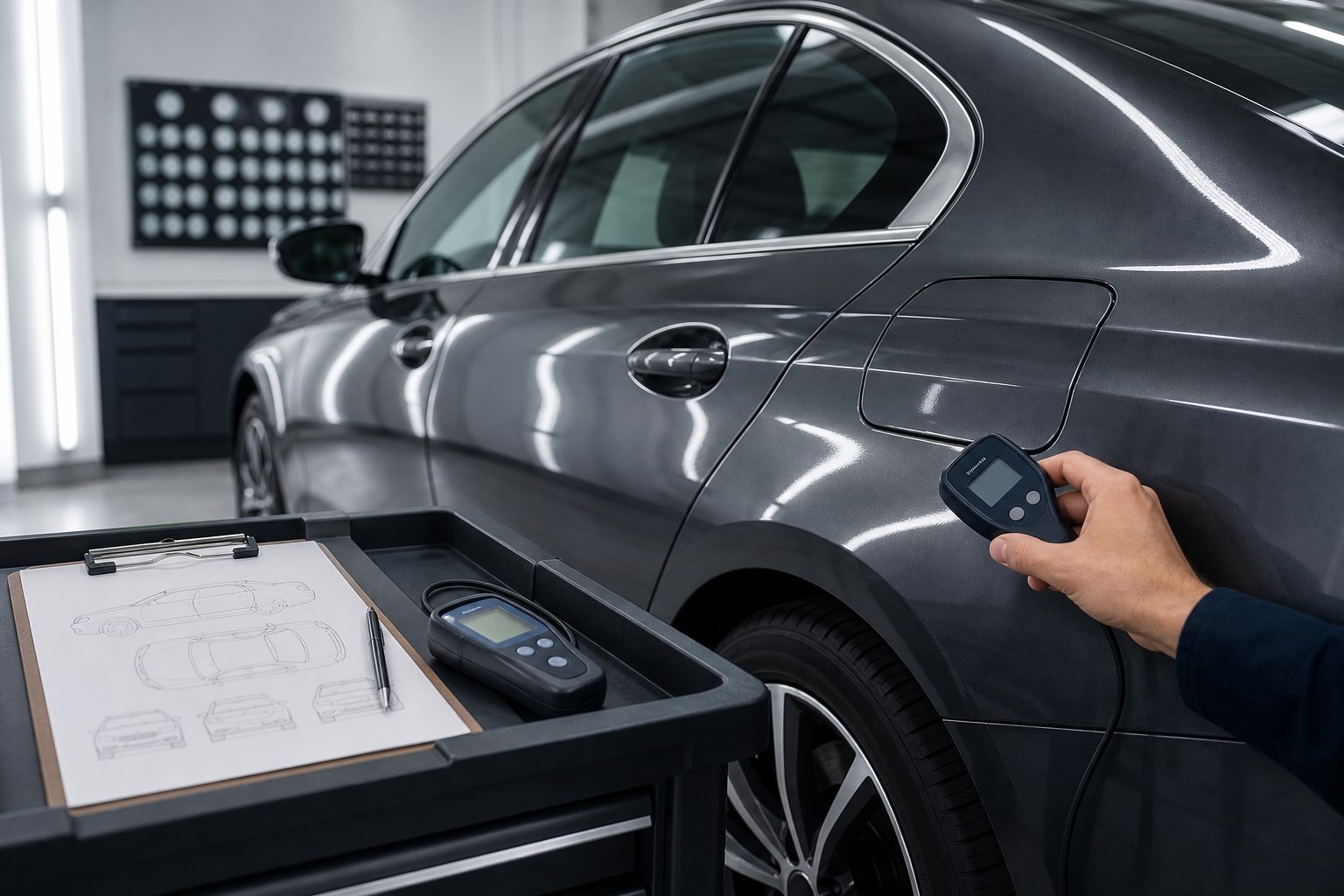
Loss of value case lawyer; It provides comprehensive legal support to vehicle owners in vehicle damage, defect, expertise, insurance application and arbitration processes.
Even if a repaired vehicle becomes technically reusable, due to its accident history it may find a buyer in the second-hand market for a lower price. The lawyer for the depreciation claim evaluates the connection of this economic difference to the accident, the fault situation, and whether the application is directed to the correct person. A superficial calculation based only on the service invoice or the list of replaced parts does not always explain the vehicle's actual market loss.
The heavy city traffic in Antalya and the vehicle activity during the tourism season increase the frequency of depreciation claims.Attorney Ahmet Emre Çimenexamines the vehicle history, the accident report, the repair file, and insurance records together in Antalya and Manavgat to concretize the scope of the request.
Loss of Value and Repair Cost Are Not the Same Thing
Repair cost is the expense incurred to restore the damaged parts of the vehicle to their former function. Loss of value, on the other hand, refers to the decrease in market value that the vehicle experiences due to its accident history after the repair is completed. Vehicle deprivation or substitute vehicle expenses are also a third type of damage item. This distinction affects the recipient of the claim and the evidence to be presented.
Initial Review: Map of the Accident File
Before applying, it should be checked whether the accident report is complete, the statements of the parties, photos, if available, camera recordings, and the assessment of fault. If the entire fault is not on the other party, the claim may be affected according to the fault ratio. In situations that require an objection to the fault determination, the scene diagram, collision points, and technical data become important.
The condition of the vehicle before the accident
Model year, mileage, equipment, previous damages, maintenance history, and market conditions are used to determine the pre-accident value. Previous damage to the same part or the vehicle having a history of major damage may require the separate identification of the additional loss caused by the new accident.
Nature of the damage
Surface painting on structural areas such as the chassis, subframe, or pillar does not produce the same effect on the market. The position of the replaced part, repair technique, workmanship quality, and manufacturer standards should be evaluated. Instead of applying an automatic and fixed rate for each part, the real market impact should be investigated.
Post-accident market comparison
Sales data of vehicles of the same kind with similar mileage and equipment but without damage can be compared to vehicles that have a history of the same type of damage. The listing price alone is not the definitive sale price; therefore, it is healthier to make a reasoned evaluation by considering multiple data points, dates, and regions.
Application File to the Insurance Company
Before taking legal action against the mandatory liability insurer, a written application is required. A brief petition alone may not be sufficient. The accident report, vehicle registration, repair documents, photographs, bank information, and the appraisal report supporting the claim must be presented in an organized manner. Missing documents can extend the evaluation period or make it difficult to understand the scope of the claim.
Accident report and fault records,
Vehicle registration and ownership information,
Damage photographs and service documents,
List of replaced and repaired parts,
Independent appraisal evaluation, if any,
Record showing that the application was submitted.
Requirements in the Appraisal Report
A good report does not only provide the final figure; it explains the vehicle's pre-accident market value, the nature of the damage, previous records, and market comparison. The examination date should be current, the data used must be verifiable, and duplicate calculations should not be made for the same damage. If there is a difference between the insurer's report and the independent assessment, the methods should be compared.
Examination title Why is it important?
Mileage and age It affects the pre-accident market value and buyer expectations.
Previous damage It allows the distinction of the loss related to the new accident.
Type of part and repair It separates the effect of structural intervention from cosmetic work.
Market comparison Indicates whether the account is based on real market data.
Insurance Arbitration Commission or Court?
In cases where the insurance company rejects the claim, makes a partial payment, or fails to meet it within the period, depending on the nature of the file, the Insurance Arbitration Commission or the court path can be considered. Arbitration is a specific application method for insurance disputes; duty, monetary limits, arbitrator decision, and appeal conditions should be checked according to the regulations at the time of application. In court proceedings, the competent court is determined according to the status of the parties and the nature of the dispute.
Vehicle Deprivation Fee Should Be Set Separately
If the vehicle cannot be used while it is under repair, compensation for loss of use for a reasonable repair period may arise. This claim is different from depreciation and may not always be covered under the same insurance policy. The type of vehicle, purpose of use, reasonable repair time, and need for replacement must be documented. For commercial vehicles, if there is a claim for loss of profit, accounting and trip records are also important.
The Sale Having Been Made Does Not Automatically Eliminate the Claim
The fact that the vehicle was sold after the accident does not mean that the damage incurred on the date of the accident has ended in all cases. However, the sale price and the contract can serve as evidence in evaluating whether the damage actually occurred and its amount. The right to claim is determined by considering the owner at the time of the event and any subsequent transactions.
Statute of Limitations and Preservation of the Application Date
In claims arising from traffic accidents, the special statute of limitations provisions in the Highway Traffic Law and the periods that may apply if the incident also constitutes a crime are considered together. The effect of an insurance application, arbitration request, or lawsuit on the time limit is a technical matter. Therefore, it is not correct to wait solely relying on the fact that the damage file is open.
Tracking Vehicle Depreciation Claim in Antalya
The purpose in a depreciation file is not to reach a general formula, but to show the actual economic loss this vehicle experienced after this accident.Attorney Ahmet Emre Çimenfollows the process according to the specifics of the file, from objection to fault to insurance application, from arbitration or litigation stage to report review.
Repair Preference and Original Parts Discussion
Authorized service, private service, use of original or equivalent parts can affect the repair quality of the vehicle and the market perception. However, each original part replacement does not necessarily result in the same amount of value loss, and having the repair done at a private service does not automatically eliminate demand. The work order, part invoice, paint measurement, and manufacturer repair procedure should be reviewed together. If the method actually carried out differs from the repair method recommended by the insurance, the reason for this difference should be documented.
In commercial vehicles, the file can be split into two separate accounts.
In the case of taxis, service vehicles, rental vehicles, or freight transport vehicles, in addition to the market depreciation of the vehicle, loss of earnings may occur due to the cessation of activity. These two types of damages should not be confused. The reasonable repair period, past period turnover and expenses, trip records, and use of replacement vehicles are examined. Gross turnover is not a direct loss; expenses that would be incurred if the activity continues may need to be separated from the account.
Separation of Multiple Accidents
In vehicles with multiple incidents recorded in the Tramer database, it should be determined to what extent the last accident caused damage to which areas. Previous damage photos, appraisal files, and service records provide this distinction. If the same part has been replaced before, it may affect the depreciation in value from the new accident; however, an old damage in a different area does not automatically nullify the new damage. The report needs to address each accident in chronological order.
Market Value Research in Special-Purpose Vehicles
Standard market comparison may be insufficient for classic, electric, modified, adapted for disabled use, or limited production vehicles. Battery, special equipment, import status, and parts supply time are determinant factors on the value. When making comparisons, examples with truly similar equipment and usage history should be selected, and it should be noted that advertisement data is not the sale price.
If the defect changes, the application can be updated
The fault ratio given in the first report may later change following a technical inspection or a court decision. In this case, the claim submitted to the insurer and the damage calculation may need to be updated according to the new ratio. It is important whether the remaining rights are waived or not during the acceptance of the first payment. Objection to fault and the calculation of depreciation should be carried out separately but in connection with each other.
If the opposing party's insurance has changed, the policy has been transferred, or the damage file has been managed by a different company, it must be confirmed that the application has reached the correct legal entity. In cases such as mergers and portfolio transfers, the current contact is investigated. An electronic or physical delivery record showing the date of the application must be kept.
Frequently Asked Questions
Does every damage cause depreciation?
No. The vehicle's history, the location of the damage, and the impact of the repair on market value are evaluated together.
Can a fully at-fault driver claim depreciation?
There may not be a possibility to claim from the other party for damage caused by their own fault; the fault rate is examined according to the file.
Does traffic insurance cover depreciation?
Within the terms and coverage limits, an application can be made to the mandatory liability insurer of the other vehicle.
Is an expert report mandatory?
It may not be formally mandatory at every stage; however, it is important to show the amount of damage in a technical and auditable way.
Should I apply before selling the vehicle?
Sale is not mandatory. It is appropriate not to delay the application in order to preserve evidence and not to miss deadlines.
Are the repair cost and depreciation claimed together?
Provided that the same damage is not compensated twice, different types of damage can be claimed separately.
Is the arbitration award final?
The nature of the decision and the monetary limits at the time of application determine the possibility of appeal or legal remedies.