
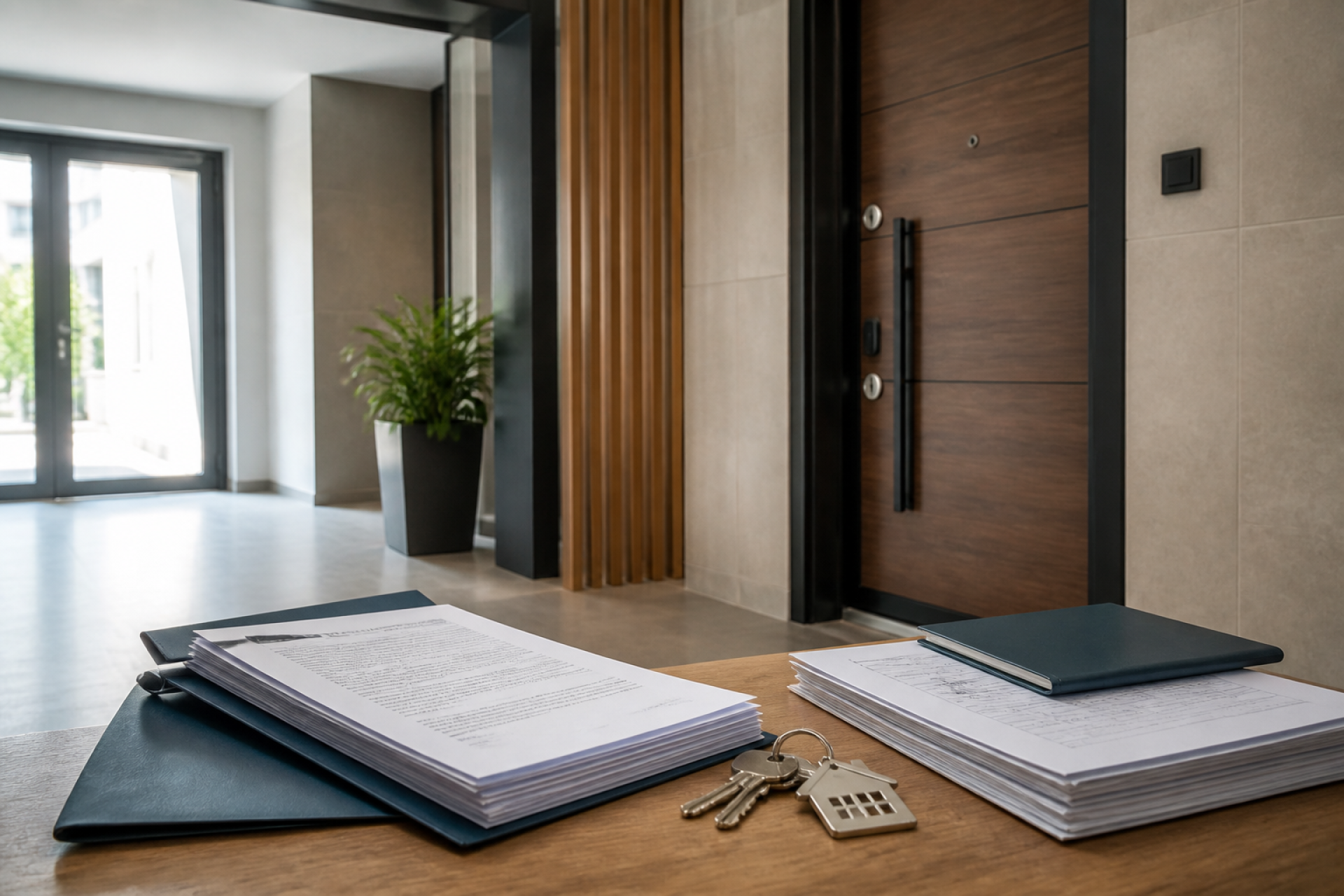
Legal support for landlords regarding lease agreements, rent receivables, warnings, mediation, eviction and delivery of real estate.
The landlord's lawyer provides support in legal processes ranging from the preparations of the landlord renting a residence or a business with a roof before the contract is established, to the collection of rent, and from the reasons for eviction to the return of the property. Being right in rental law is not sufficient on its own; procedural details such as the content of the notice, the date of notification, the requirement for mediation, and the lawsuit period can directly affect the outcome.
Renting residences in Antalya and Manavgat for permanent residence, seasonal use, and investment purposes can bring different disputes.Lawyer Ahmet Emre Çimenoffers consultancy and legal follow-up for landlords to conduct their rental relationships based on documentation and to choose the legal path suitable for the concrete case when a dispute arises.
The Landlord's Legal Process Begins Before the Contract
For a healthy rental relationship, the tenant's identity, contact address, and the capacity in which they sign the contract should be correctly determined. If there are multiple tenants, the responsibility structure should be clearly written; if a guarantee is to be taken, conditions such as the form required by law and joint consent should not be overlooked. A standard text found on the internet may not always be suitable for the nature of the property and the needs of the parties.
The contract should specify the rent amount, payment date, bank account, method of increase, deposit, additional costs, purpose of use, sublease, and delivery conditions. Including clauses in residential and roofed workplace leases that are contrary to the mandatory provisions of the law to the detriment of the tenant does not mean that these provisions will be valid. Therefore, the contract should consist of enforceable and balanced provisions rather than heavy conditions that only protect the landlord.
How should the delivery of the property be documented?
During the handover, the rooms of the property, installations, meter readings, fixtures, and existing damages must be documented with a report. Photo and video records can be kept with date information. The inventory list should be signed together with the tenant, and the number of keys should be specified. These documents help distinguish between normal wear and tear at the end of the lease and damages for which the tenant is responsible.
The legal nature of the deposit and how it is kept must also be consistent with the contract. The deposit is not additional rent that the landlord can freely use. Legal limits and the method of securing it should be considered; if deductions are to be made, receivables or damages must be demonstrated with concrete documents.
What Can the Landlord Do When Rent Is Not Paid?
In case of a delay in the rent payment, payment records and bank transactions should be checked first. The default notice to be sent to the tenant should clearly show which period's debt and how much it is, and in residential and roofed workplace leases, it must allow the payment period required by law. A notice containing an insufficient period or leaving the debt uncertain may jeopardize the eviction request.
The landlord may consider filing an eviction lawsuit due to default according to the conditions or using the non-judicial enforcement method that includes the collection of rent and eviction. In enforcement proceedings, whether the tenant objects to the payment order, the payment of the debt, and the content of the objection determine the next step. The occurrence of two justified warnings within the same rental year can also be a basis for an eviction lawsuit at the end of the term under certain conditions; however, not every delay should automatically be considered a justified warning.
The Reason for Eviction Must Be Determined According to the File
The landlord’s desire to reclaim their property alone does not always give rise to a right to evict. For residential and roofed workplace rentals, one of the reasons regulated by law must exist. The common legal paths are:
Default due to non-payment of rent,
Two justified warnings within the same rental year,
Valid eviction commitment,
The landlord's or the relatives specified by law's need for residence or workplace,
The need of the new owner,
Reconstruction or substantial zoning,
Completion of the ten-year extension period.
The notification and lawsuit periods differ for each reason. For example, in eviction due to the need, it is evaluated whether the need is real, sincere, and mandatory; for an eviction commitment, it is important that the document is given after the delivery of the leased property and that the dates are specified. Even if there are multiple reasons in one file, the claims must be established without conflict.
Rent Increase and Determination of Rent Amount
The fact that the rent increase is written in the contract does not mean that the limits in the law can be exceeded. The increase applicable in renewed rental periods is calculated according to the contract date and the applicable rules in force. In rental relationships lasting longer than five years or renewed after five years, the determination of the rent may be considered by taking into account the comparable value, the condition of the property, and elements of fairness.
The period from which the rent determination lawsuit will be effective is related to the time the lawsuit is filed, whether prior written notification was made, and whether there is a clause for an increase in the contract. The nature of past period claims and the determination of the new rent amount are not the same issue. The landlord's objective should first be clarified, and the notice, mediation, and lawsuit schedule should be prepared together.
Disputes Regarding Damage, Dues, and Additional Expenses
The tenant may be responsible for usage expenses belonging to them in addition to the rent, according to the contract and the law. In return, structural repairs or expenses arising from the owner status cannot be imposed on the tenant. The type of expense in the site fee should be examined; the responsibilities under the management plan and the Condominium Law, as well as the internal relationship between tenant and landlord, should be separated.
If there is a claim of damage to the property, the initial delivery report, end-of-rental inspection, photographs, invoices, and expert examination when necessary become important. Seizing the entire deposit without distinguishing between normal wear and tear and misuse can lead to a new dispute. Except in emergencies, the landlord entering the residence or changing the lock without the tenant's consent is not a lawful method of eviction.
Mediation and Litigation Phase
In disputes arising from rental relationships, except for the exception regarding eviction via non-judgmental enforcement, applying to a mediator before filing a lawsuit is, in principle, a prerequisite for a lawsuit. In mediation, the rental debt, new rent, eviction date, delivery method, and expenses can be negotiated together. If an agreement cannot be reached, a lawsuit is filed in the competent court along with the final report.
Applying for mediation does not mean that time limits will be disregarded. The notification and application schedule related to the specific eviction reason must be observed. Bank records, notices, and notifications pertaining to different periods should be presented in an organized manner in the petition; the demanded receivable items should be clearly separated.
Secure Delivery at the End of the Rental Relationship
When the tenant vacates the property, the keys must be physically and verifiably handed over. The parties can prepare a handover report including meters, fixtures, damages, and debt status. Unbilled expenses and unidentified damages should be considered before using broad expressions like "I have no claims".
If the tenant does not hand over the key or the legal situation remains uncertain after the property is vacated, safe procedures should be used for verification and delivery instead of the landlord's unilateral intervention. Unauthorized removal of belongings or cutting services for the purpose of pressure may give rise to separate liabilities.
Lease Relationship When the Property is Sold
The sale of a rented residential property does not automatically terminate the existing lease agreement. The new owner becomes a party to the lease relationship upon acquiring ownership. Therefore, prior to the sale, the lease agreement, deposit, collected rent payments, and correspondence with the tenant must be fully transferred to the new owner. It should be clearly stipulated between the old owner and the new owner to whom the rental receivables belong up to which date.
If the new owner or their relatives specified in the law have a genuine and sincere need for a residence or workplace, special notification and lawsuit periods may come into play. Notifications made after the purchase date may affect the use of this legal route. It is not sufficient for the new owner to demand the tenant to leave immediately solely on the grounds of having acquired the title deed; the reason for the need and procedural conditions are evaluated together.
Legal Support for Homeowners in Antalya
The proper handling of a rental file depends on selecting the correct legal reason in a timely manner and preserving the documents from day one.Attorney Ahmet Emre ÇimenIn Antalya and Manavgat, it provides legal support to homeowners regarding contract preparation, warning notices, mediation, rent claims, eviction, and handover processes according to the specifics of the concrete case.
Frequently Asked Questions
Can the landlord evict the tenant whenever they want?
No. In residential and pitched-roof commercial leases, one of the termination or eviction reasons accepted by law must exist, and the procedure related to that reason must be followed.
Does one month of late rent result in eviction?
Late payment may initiate the default process; however, appropriate notice, statutory payment period, and completion of lawsuit or enforcement stages according to the chosen route are required.
Can the landlord enter the tenant's home for inspection?
Reasonable notice and appropriate timing should be observed for showing the rental property or for necessary maintenance. Entering the property without the tenant's consent may cause legal and criminal issues.
Is the eviction commitment valid in all cases?
Conditions such as the document being given after the delivery of the rental property, being based on free will, and having a specified eviction date are examined. The tangible document must be evaluated separately.
Is mediation mandatory in a rental dispute?
Except for the eviction through enforcement without a court order, mediation is generally a prerequisite in lawsuits arising from lease relationships.
What can be done if the tenant leaves the house damaged?
The damage must be documented with delivery reports, photographs, invoices, and if necessary, through assessment. Normal wear and tear cannot be attributed to the tenant.